


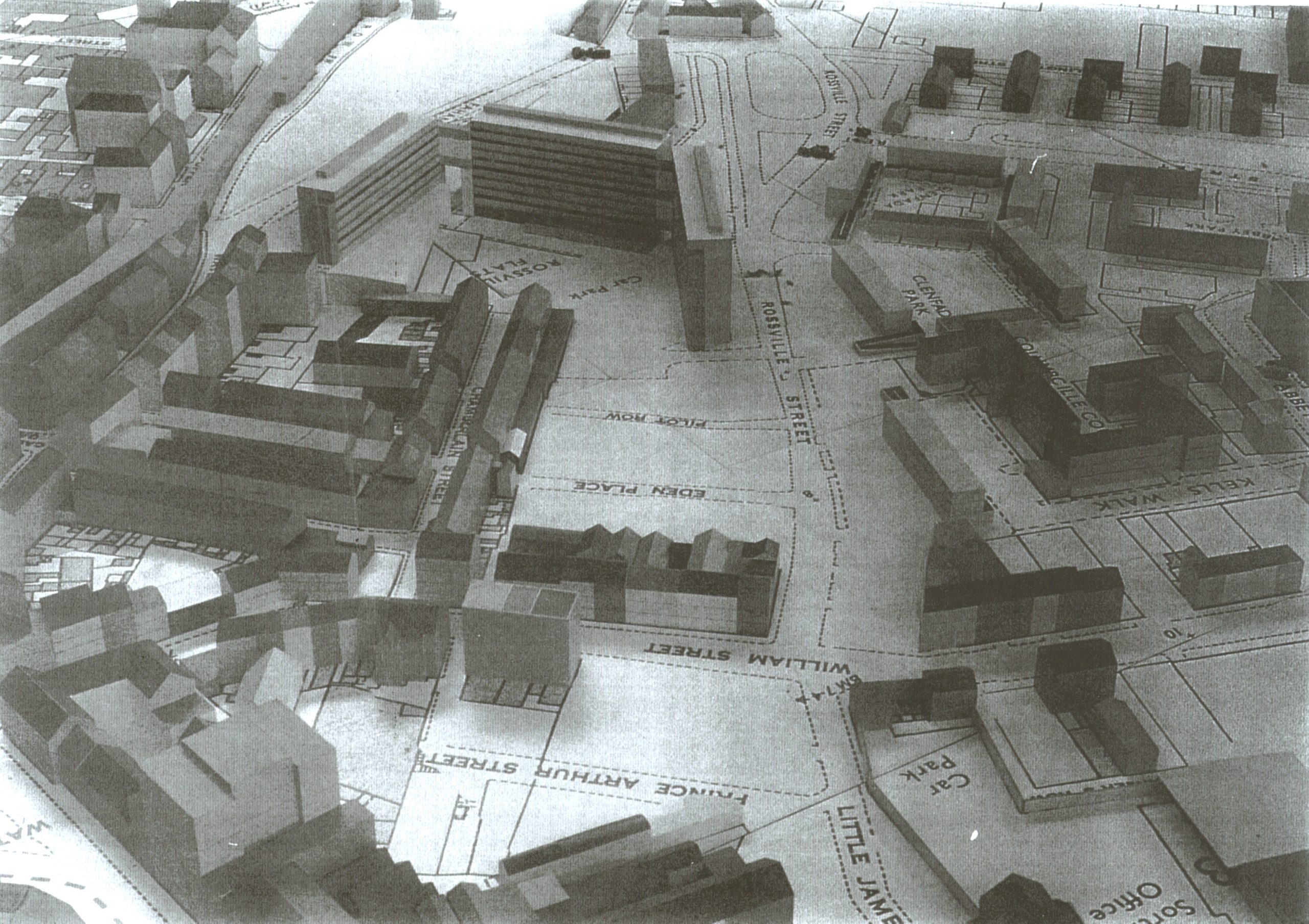
On 1 February, a public inquiry headed by Lord Chief Justice Widgery was announced by British Prime Minister Ted Heath.
Article Archives
The Funerals
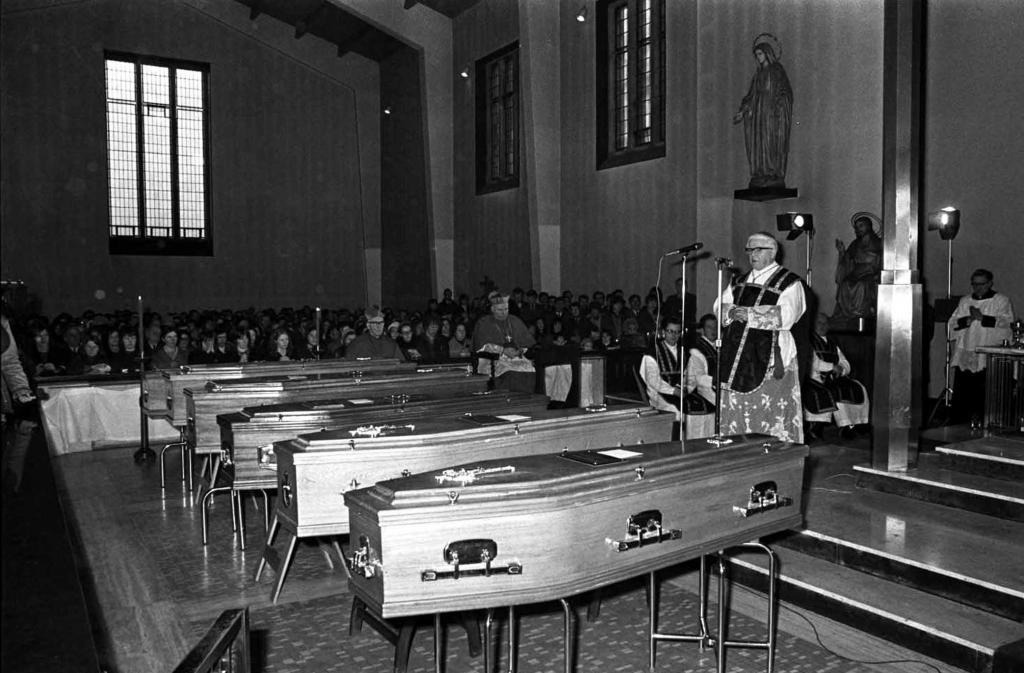
The Bloody Sunday funerals were massive events, attended by political, civic and religious representatives from around the world.
The Aftermath
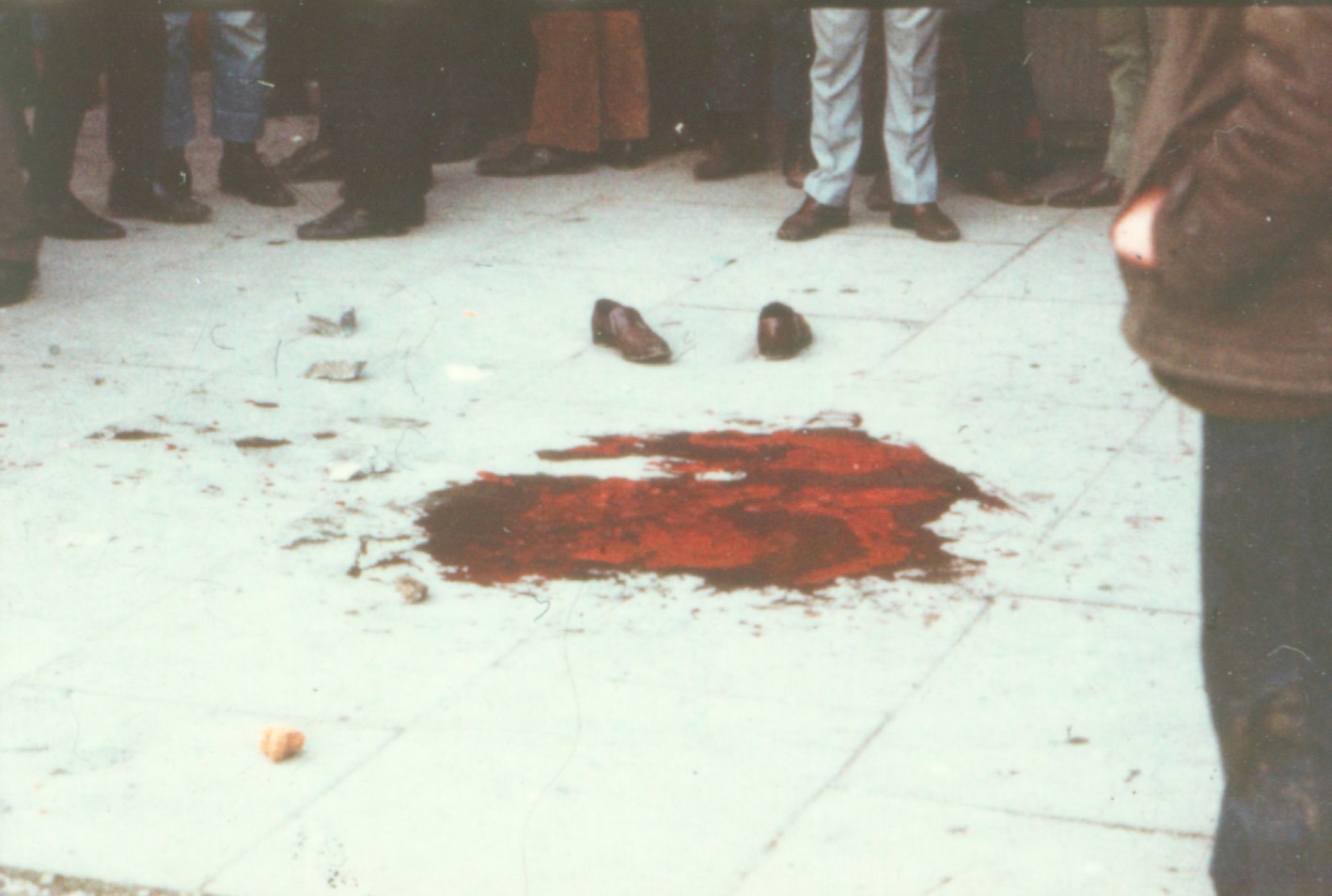
The British Army labelled the victims gunmen and bombers. They claimed their soldiers had met a “fusillade of fire”, even though no soldier or vehicle had been hit.
In Glenfada Park
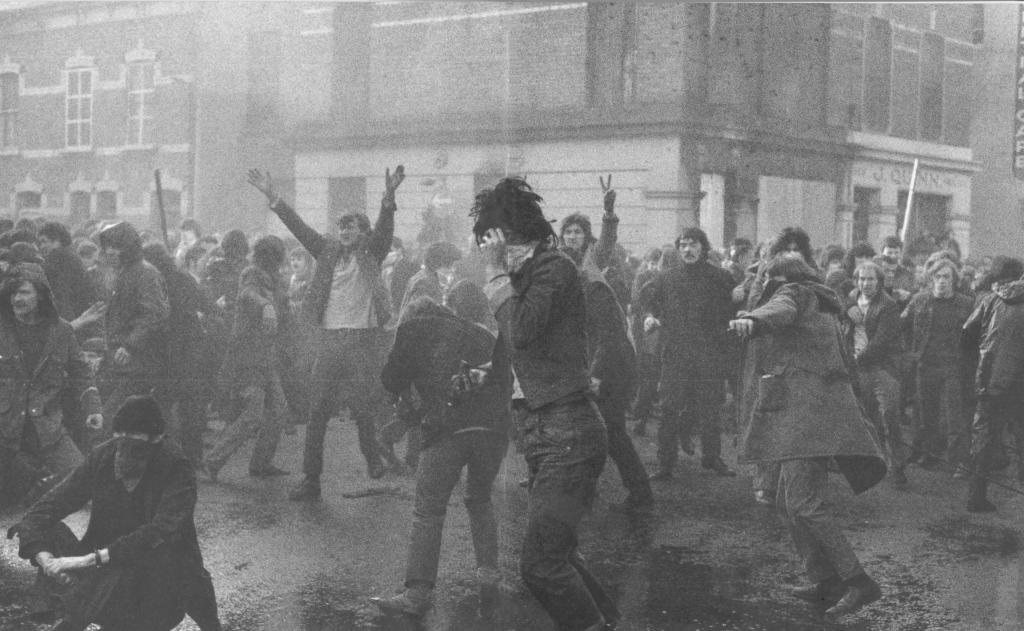
The shooting continues as paratroopers advance into Glenfada Park, a quiet cul-de-sac in the Bogside.
The Shootings
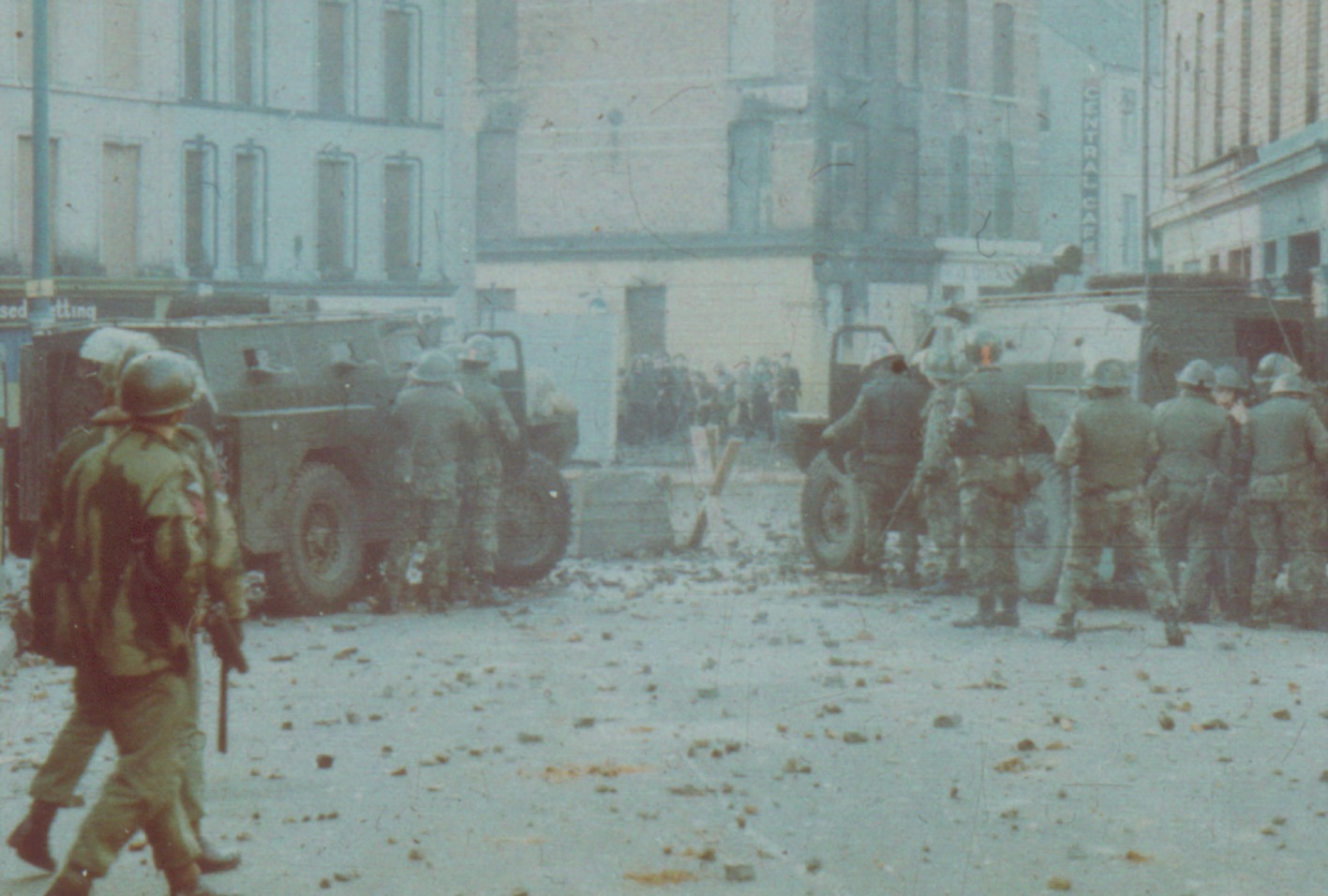
At 3.55pm, away from the riot in William Street, the British Army opened fire. John Johnston (59) and Damian Donaghy (15) were hit. John Johnston died from his injuries five months later in June.
The March

On 30 January 1972, 15,000 people gathered in Creggan to march against internment. The weather was crisp, bright. Reports circulated of barbed wire across all exits from the Bogside, and of paratroopers behind the barriers.
Introduction

The civil rights movement in Ireland has its deepest roots in Derry. It was here on 5
October 1968 that the issue of civil rights in the north first came to the attention of the world when the police attacked a peaceful demonstration in Duke Street.
Epilogue
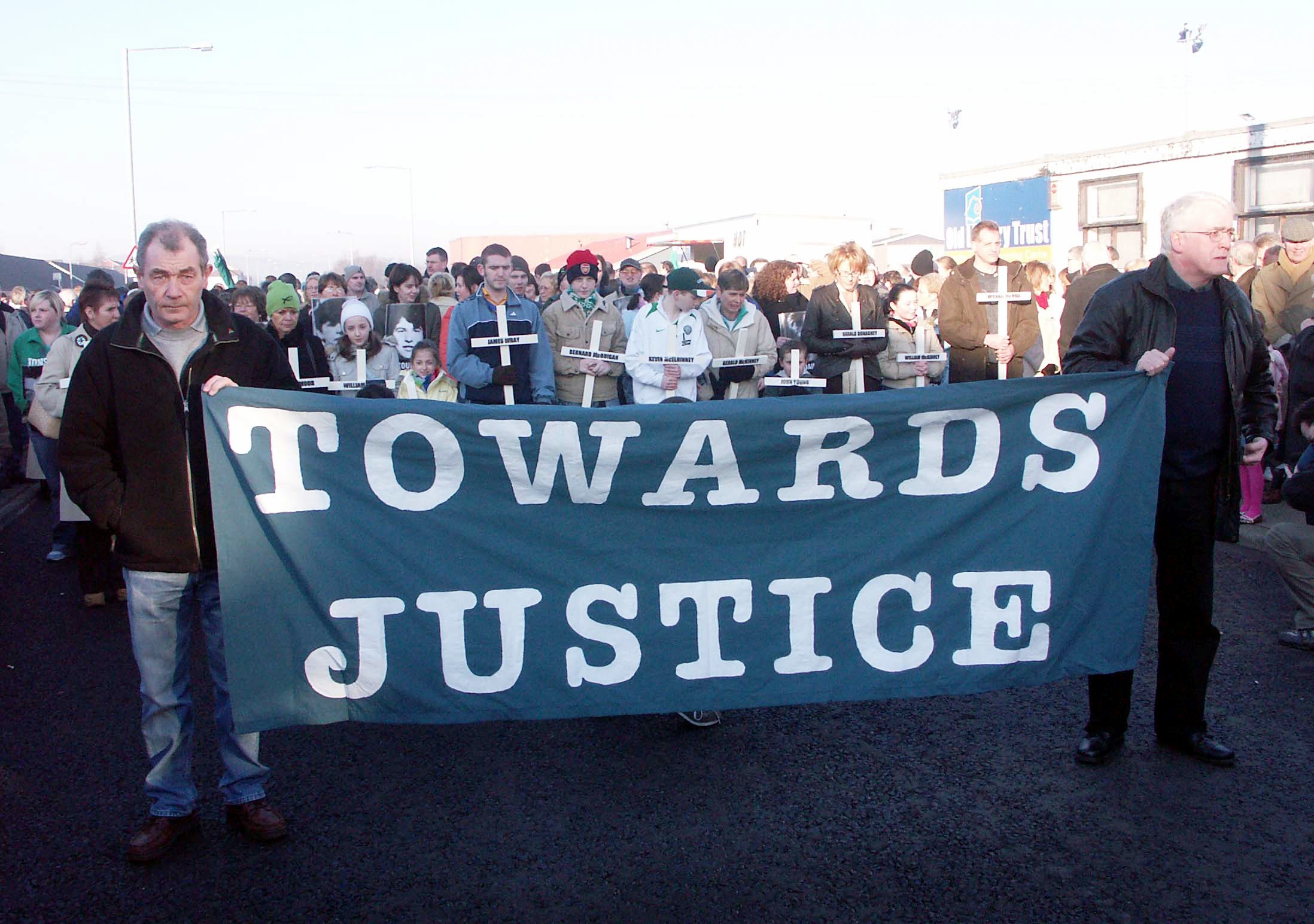
The response of Britain’s political and military leaders to a largely working-class struggle for civil rights and an end to sectarianism was murder on the streets of the Bogside.
The Campaign for Justice
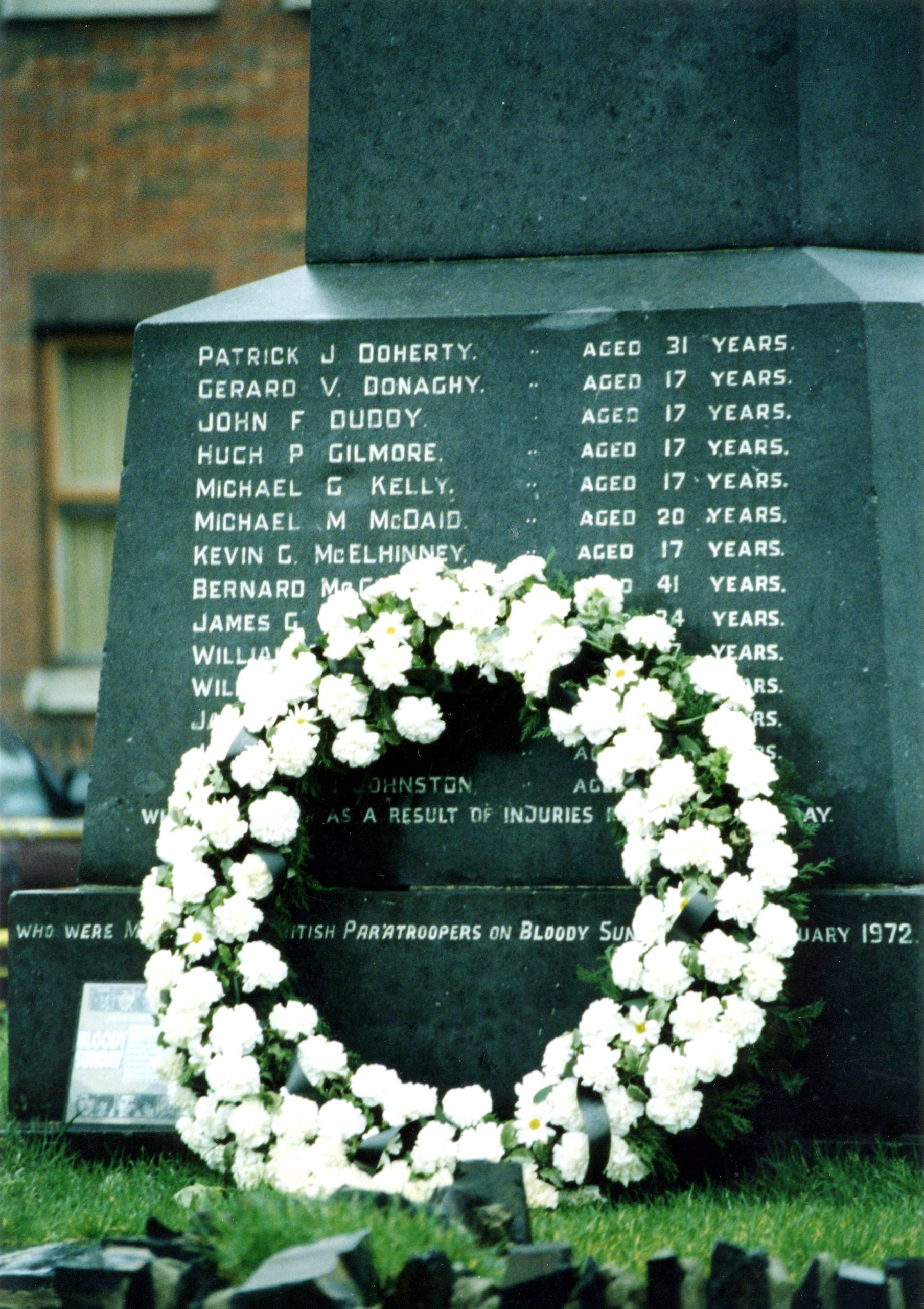
The annual commemoration march began in 1973, organised by NICRA. Brigid Bond unveiled the monument in Rossville Street in 1974.
Escalating Unrest 1972 – 1994
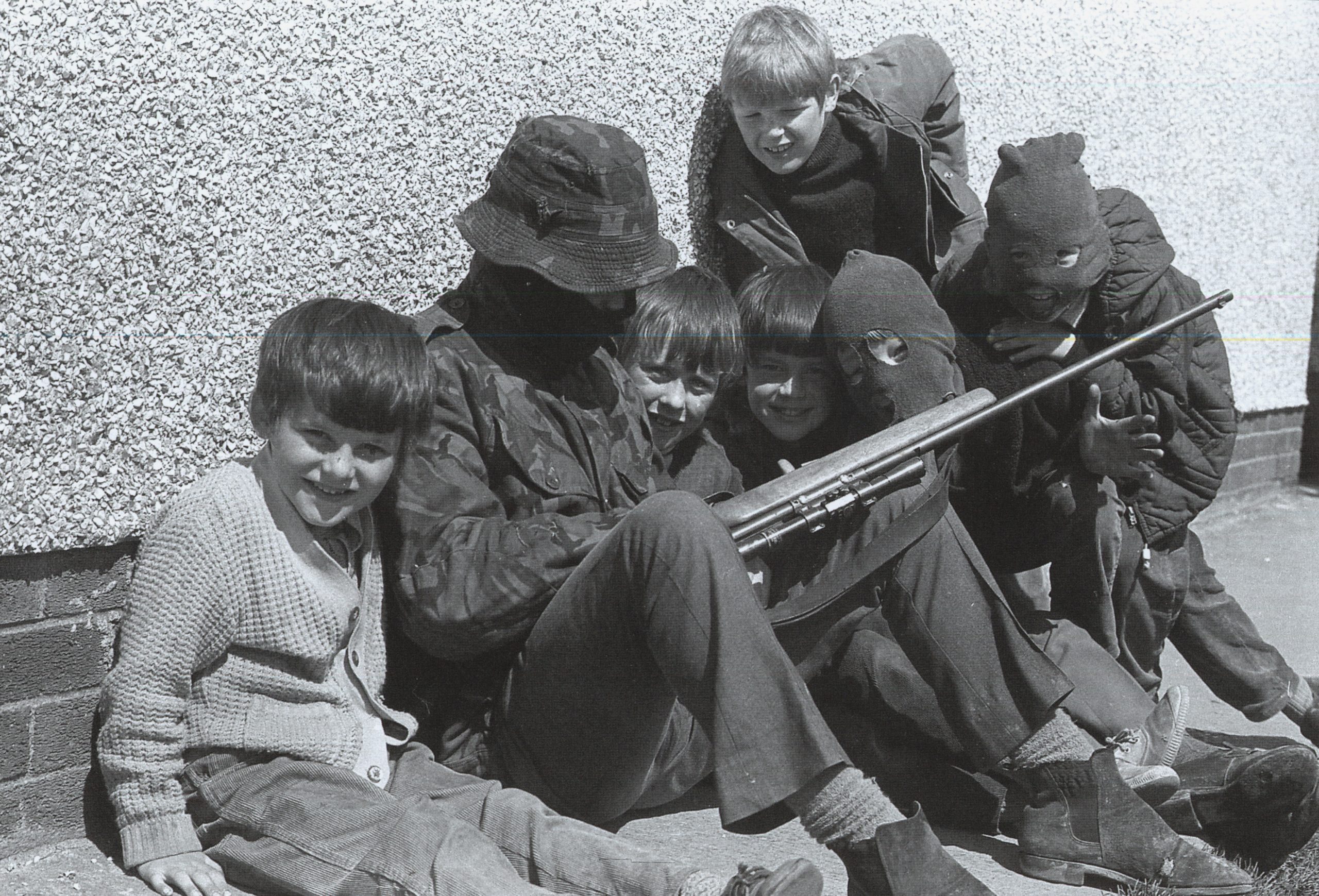
Operation Motorman was designed to break Free Derry and other republican no go areas in the north of Ireland, and to remove support bases for republicans, but it failed.


