


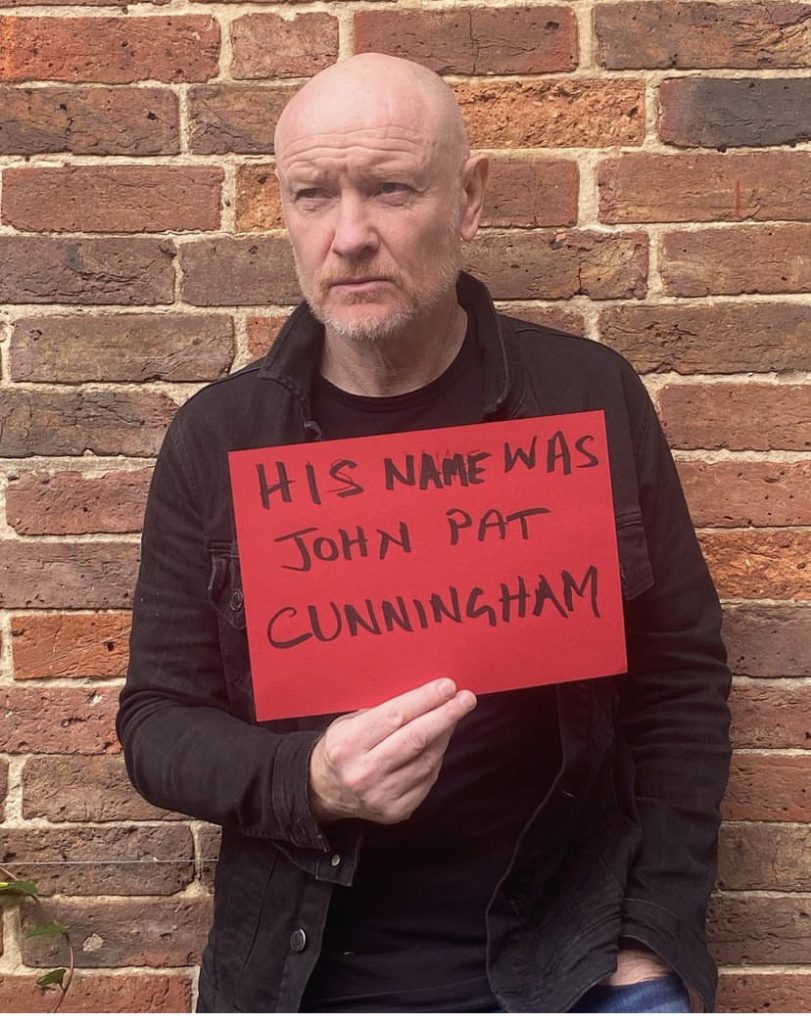
Brian Dooley is a Friend of the Bloody Sunday Trust. He is Honorary Professor of Practice at the Mitchell Institute, Queen’s University Belfast, Senior Advisor to Human Rights First, Visiting Scholar at University College London and author, @dooley_dooley
Describe your early childhood
I grew up in a fairly typical south London Irish family. My parents were from Kerry and Wicklow. I went to local Catholic schools where most kids had two Irish parents. I played GAA as a teenager in London, socialised in Irish clubs, spent the summers in the south of Ireland.
What was your first memory of campaigning/activism?
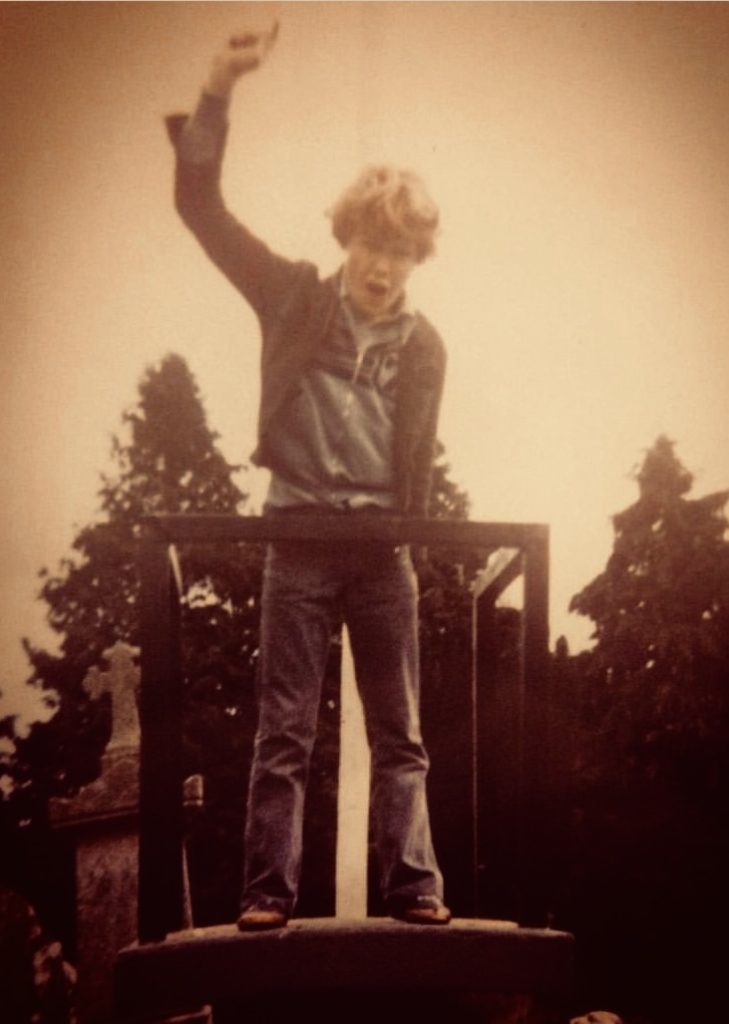
On a school journey from London to Bodenstown when I was 12, I gave a little speech at Wolfe Tone’s grave to a few bewildered tourists, and by 16 I was out leafleting in London for the Labour Party in the 1979 general election that Thatcher won.
Can you give us a brief overview of your work
I’ve ended up working for human rights organisations for most of my life, mostly with activists who are in difficult situations – in war zones like Ukraine, or in revolutions like Bahrain, Egypt or Hong Kong. I’ve also advocated on issues around the conflict in the north of Ireland for many years and covered the early days of the Saville Inquiry. About 25 years ago I wrote another book on the links between the civil rights movement in the north and the civil rights movement in the US, and I see those ties are still developing.
What’s your connection to the north of Ireland/Derry?
I work for an American NGO – Human Rights First – which has been engaged in rights issues in the north since the 1980s when it was called the Lawyers Committee for Human Rights. I’m currently part of an investigative panel convened by the Norwegian Centre for Human Rights at the request of the Pat Finucane Centre and the Committee on the Administration of Justice, with others from Norway, Ireland, Argentina, South Africa and Israel assessing the extent of state impunity during the conflict in the north. It’s a thorough assessment that started in 2021, and we hope to present our findings in the coming months.
I joined the Bloody Sunday Trust to support its work locally but also what it does internationally, providing support and insight to other struggles.
We would love to hear more from the Friends of the Bloody Sunday Trust. If you would like to share your story, please email eoin@bloodysundaytrust.org


