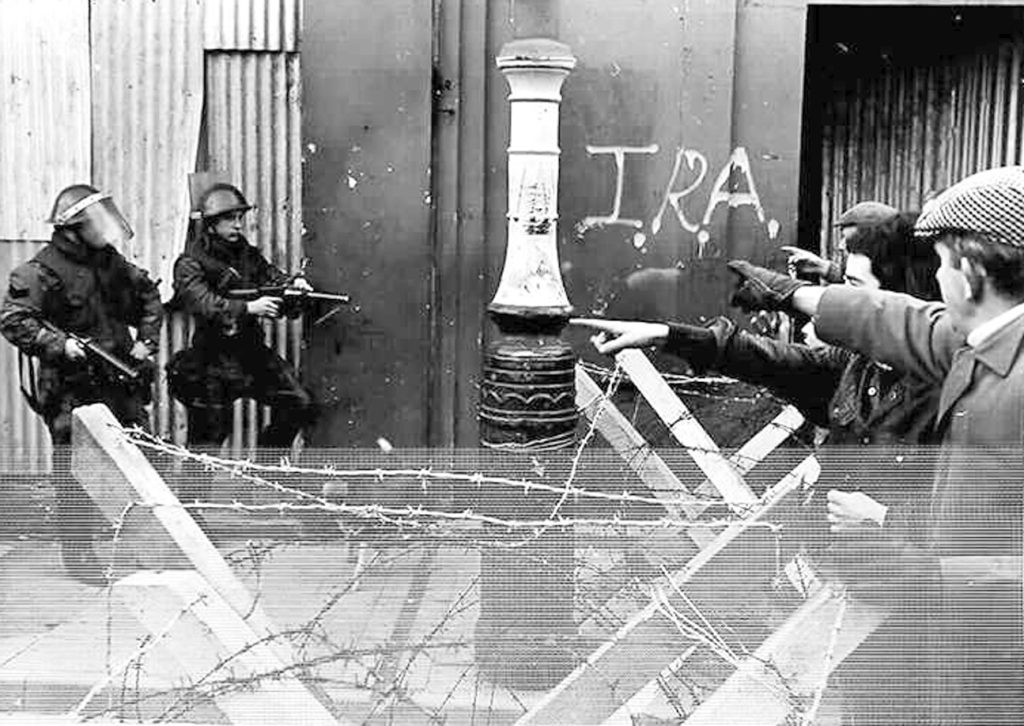
There has not been a time since the emergence of states when civilians have not been at risk from death and injury at the hands of the military or, in modern times, the police. In today’s world, civilians still remain vulnerable to lethal attacks by members of state security forces. Those campaigning for civil and human rights are particularly vulnerable.
The Bloody Sunday Trust grew out of one such incident in which 31 unarmed civil rights demonstrators were killed or injured by British Paratroopers in the city of Derry in Ireland in January 1972.
First established in 1997 on the 25th anniversary of Bloody Sunday, the Bloody Sunday Trust initially acted as a conduit for family members and friends seeking support or advice during the course of the Bloody Sunday Inquiry and to commemorate those killed and injured on Bloody Sunday.
From the start the Trust stated that its vision is to promote human rights, conflict transformation and understanding between people both nationally and internationally.
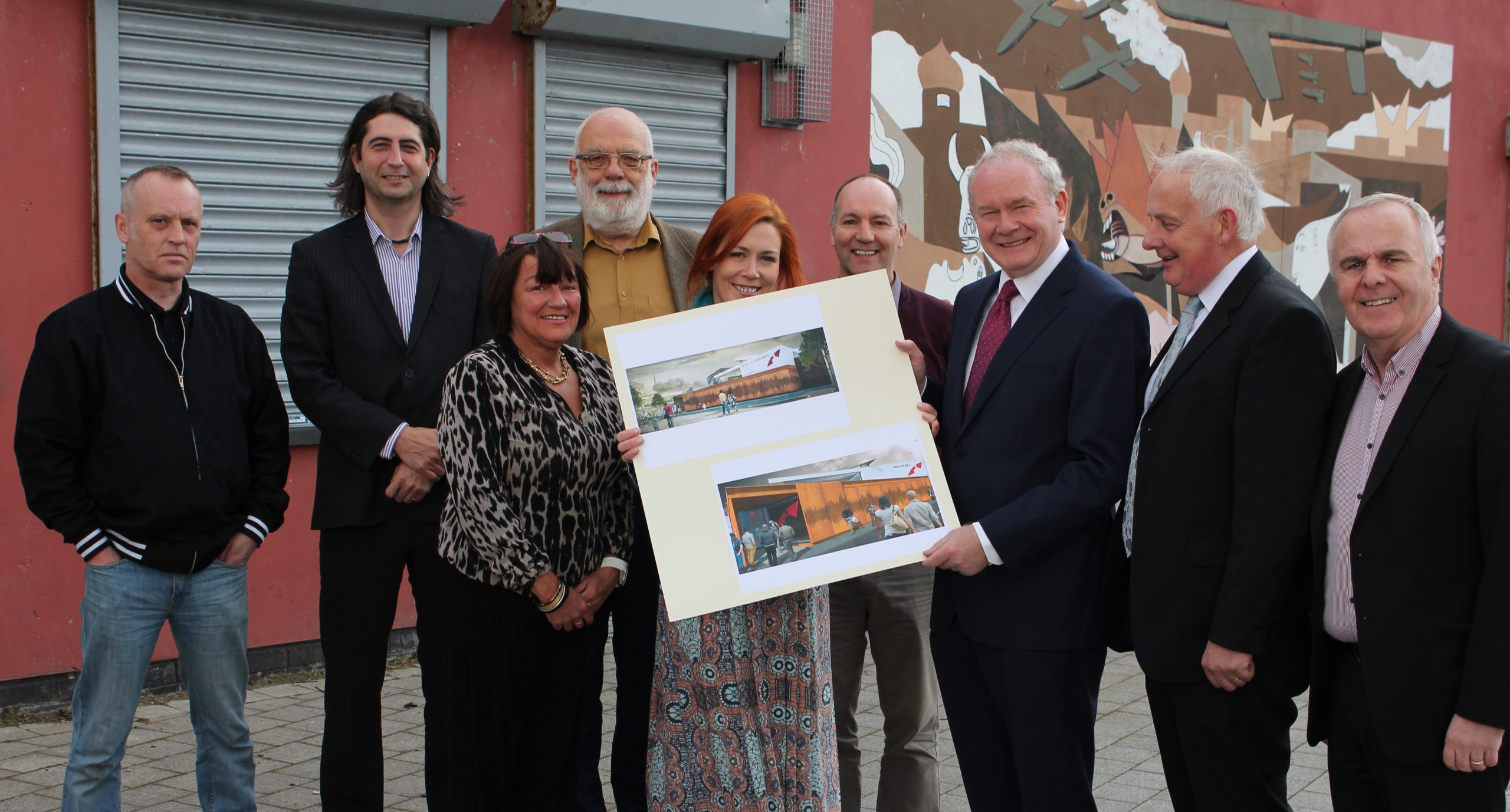
Shortly after the Trust was established, it decided that the Museum of Free Derry was an important way to achieve these goals, through encouraging a better understanding of the recent history of Derry and of Ireland, with a focus on its people telling their story.
For a greater insight into the work of the Bloody Sunday Trust, please view our work and our history.
You can download or view a copy of The Bloody Sunday Trust Strategic Plan 2023-2028.
In relation to our finances, The Bloody Sunday Trust annual report and accounts are publicly available documents, and contain full details of our income, expenditure and balance sheet.
Clarification from the Bloody Sunday Trust on the Bloody Sunday march – Over the years, since 2011-12, understandable confusion has grown in relation to the Trust and its position on the Bloody Sunday march. The vast majority of Bloody Sunday families no longer support or attend the march, and the Bloody Sunday Trust stands by the decision taken by the families in 2011 to end the march, and is not connected to the march committee in any way.
Please see the following links for the historical record of the families’ decision on the march:
2011 statement from Bloody Sunday families on the Bloody Sunday March